|

|
|
|
Date : September 3, 2010 |
|
 |
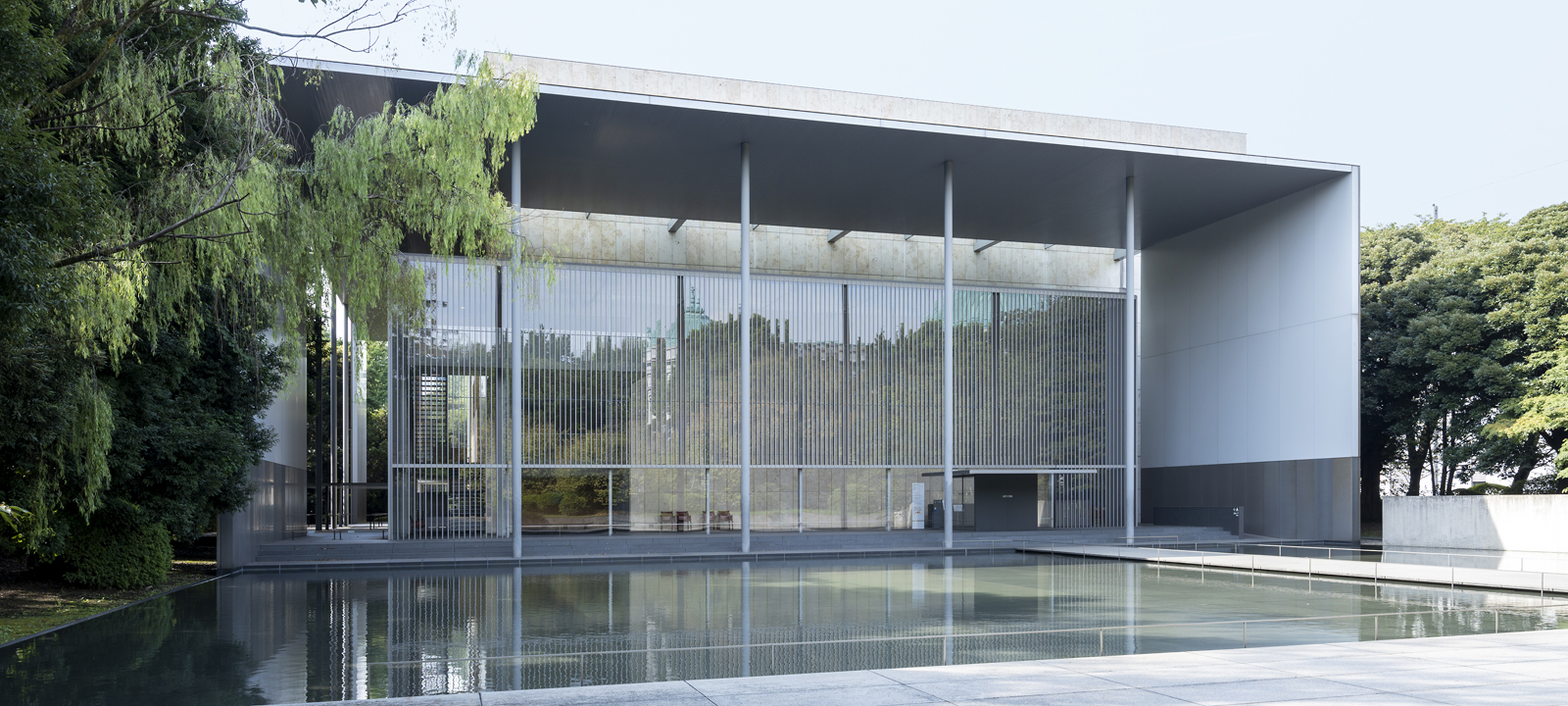
The building was designed by Yoshio Taniguchi and has been furnished with the latest in conservation technology. The reference room on the 2nd floor mezzanine has the "digital archive" which allows visitors to view the entire collection of Horyuji Treasures on computer with explanations provided in Japanese, Chinese, Korean, English, and French. A restaurant is located on the ground floor. * The Horyuji Treasures consist of over 300 valuable objects, mainly from the 7th - 8th century, which were donated to the Imperial Household by Horyuji Temple in 1878. |
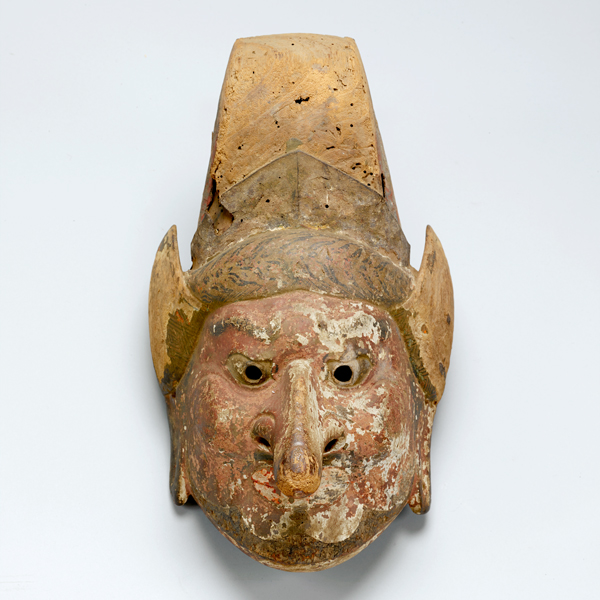
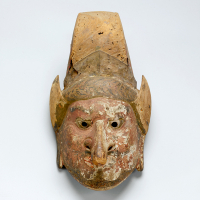
1st floor: Kanjo-ban (Banner for the Kanjo Ceremony) , Gilt Bronze Buddhist Statues, Halos, Repousse Buddhist Images, Gigaku Masks
|
 |
 |
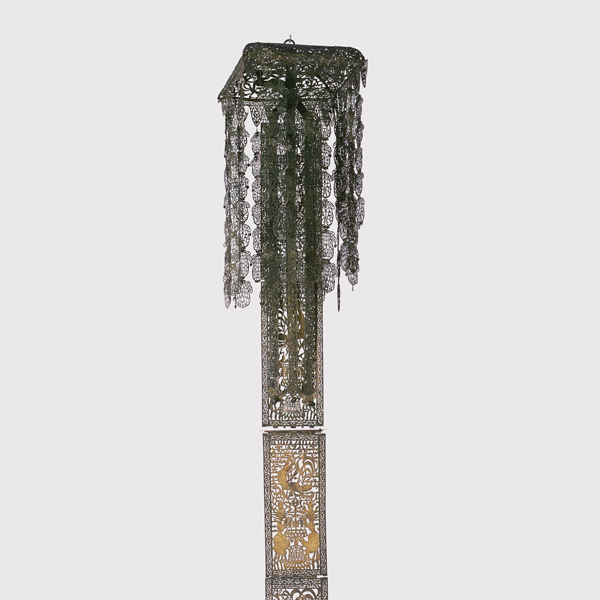
Kanjo-ban (Banner for the Kanjo Ceremony)
Room 1 April 13, 2010 - April 24, 2011
Exhibits:
Kanjo-ban (Banner for the Kanjo Ceremony), Asuka period, 7th century (National Treasure)
Small Ban (Ritual Banners), Asuka period, 7th century (Important Cultural Property)
|
 |
Gilt Bronze Buddhist Statues, Halos, Repousse Buddhist Images
Room 2 April 13, 2010 - April 24, 2011
Exhibit includes:
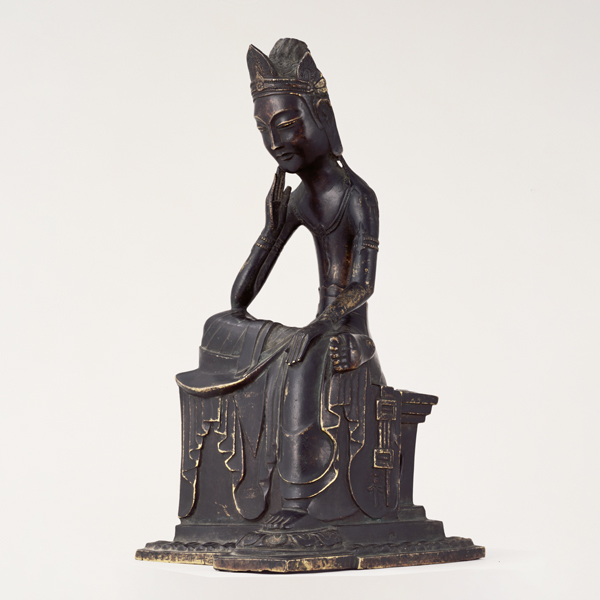
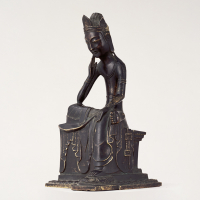
Seated Bosatsu (Bodhisattva) with One Leg Pendent, Asuka period, dated 606 or 666 (Important Cultural Property)
Lady Maya and Three Heavenly Beings, Asuka period, 7th century (Important Cultural Property)
|
2nd floor: Wooden and Lacquer wares , Metalwork, Painting, Calligraphy, Textiles
|
 |
 |
Wooden and Lacquer Works Furnishings
Room 4 July 21, 2010 - September 20, 2010
Including:
Boxes, design of flowering plants, butterflies, and birds in gold and silver paint, Nara period, 8th century (Important Cultural Property)
Needle Case, blue-stained ivory(bachiru), Nara period, 8th century (Important Cultural Property)
|
 |
Metalwork
Room 5 April 13, 2010 - April 24, 2011
Exhibit includes:
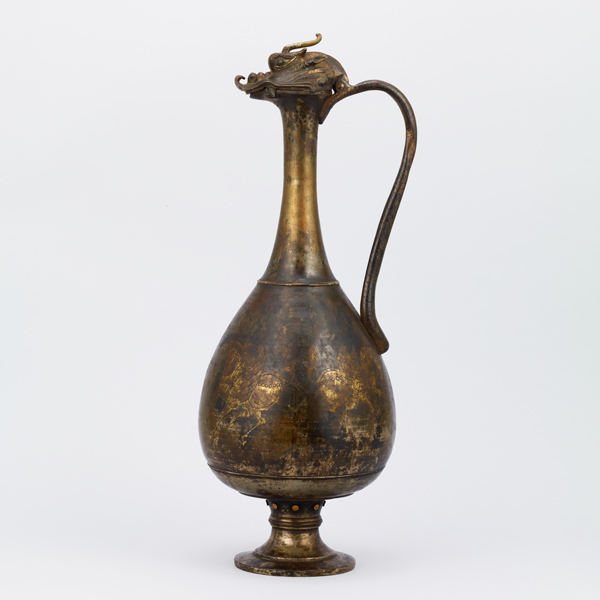
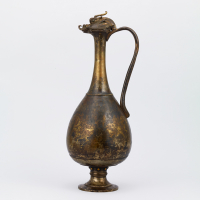
Dragon-head Pitcher, Asuka period, 7th century (National Treasure)
Mirror with design of Sea and Islands, Tang dynasty or Nara period, 8th century (National Treasure)
|
 |
Textiles Textile- Joku mats
Room 6 August 24, 2010 - September 20, 2010
Joku mats are used in the halls of Buddhist temples.
Exhibit includes:
Two Round Joku (Sutra Desk Covering). Design of flowers in kyokechi (board-jammed dyeing), Nara period, 8th century (Important Cultural Property)
Joku Mat. Design of scrolling grape vines, Nara period, 8th century (Important Cultural Property)
Joku Mat. Design of hunters, Nara period, 8th century (Important Cultural Property)
|
|