|

|
|
|
Date : September 3, 2010 |
|
 |
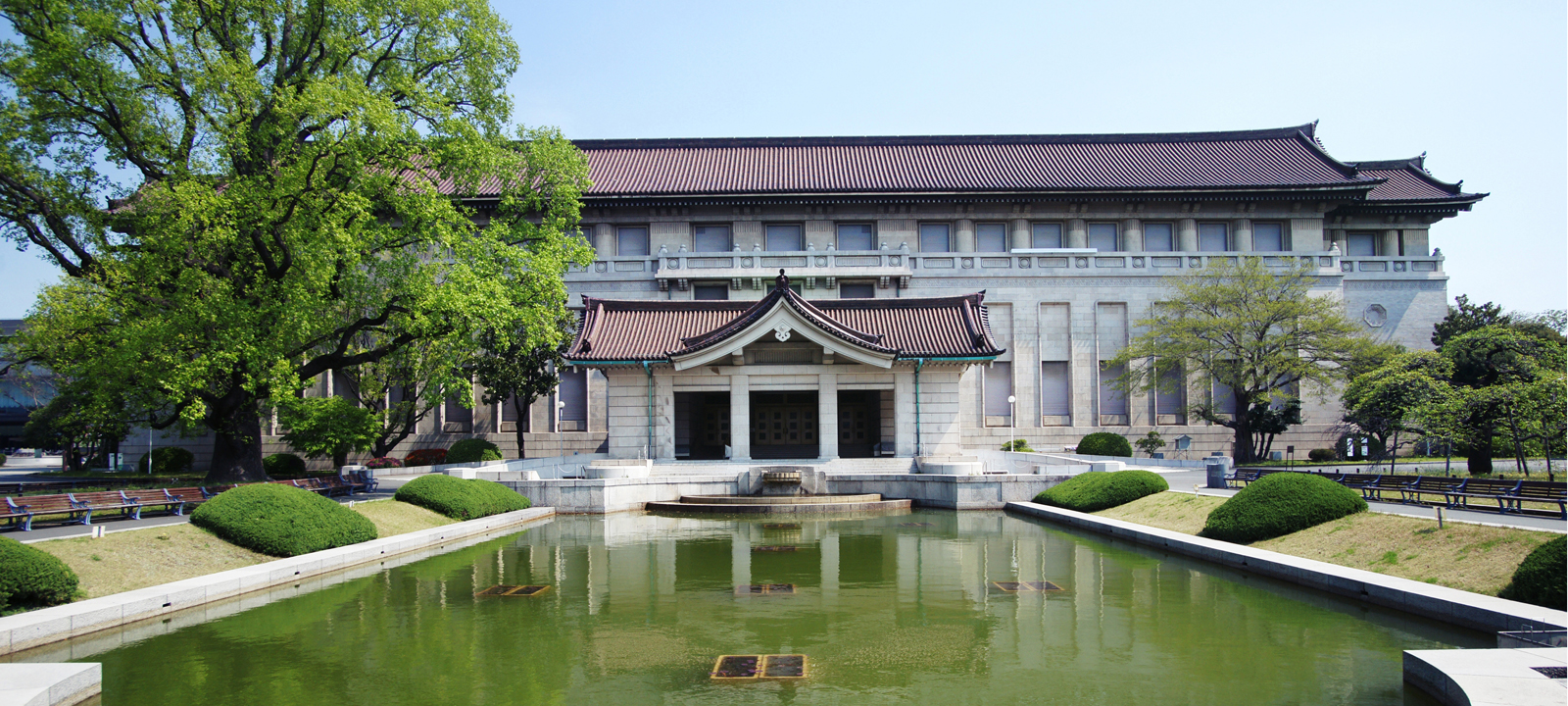
The original Main Gallery (designed by the British architect Josiah Conder) was severely damaged in the Great Kanto Earthquake of 1923. In contrast to western style of the original structure, the design of the present Honkan by Watanabe Jin is the more eastern "Emperor's Crown Style." Construction began in 1932, and the building was opened in 1938. 24 exhibition rooms on two floors provide a thorough introduction into Japanese art: "Highlights of Japanese Art" on the second floor introduces the development of Japanese art from Jomon through to the Edo period in a chronological manner, and genre galleries presenting specific rooms displaying ceramics, swords, lacquerwares, sculptures, modern decorative arts as well as the material culture of Ainu and Ryukyu are located on the first floor. ----- *Rooms 1 - 10 (Highlights of Japanese Art) on the 2nd floor of Honkan (Japanese Gallery) will be closed for exhibition preparation on Monday, November 15, 2010 ----- *Rooms 11 - 16 on the 1st floor of Honkan (Japanese Gallery) will be closed for maintenance work on Monday, November 29, 2010 - Saturday, January 1, 2011 ----- *Rooms 17 - 19 on the 1st floor of Honkan (Japanese Gallery) will be closed for maintenance work on Monday, December 13, 2010 - Saturday, January 1, 2011 |
2nd floor "Highlights of Japanese Art"
|
 |
 |
The Dawn of Japanese Art
Prehistory and Protohistory: the Jomon, Yayoi, and Kofun Periods (10000B.C. - A.D. 600)
Room 1 May 11, 2010 - November 14, 2010
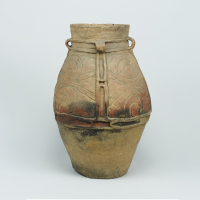
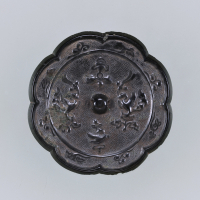
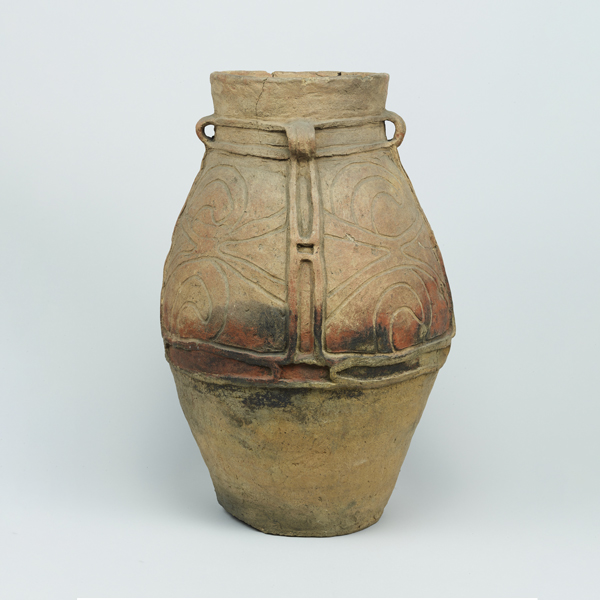
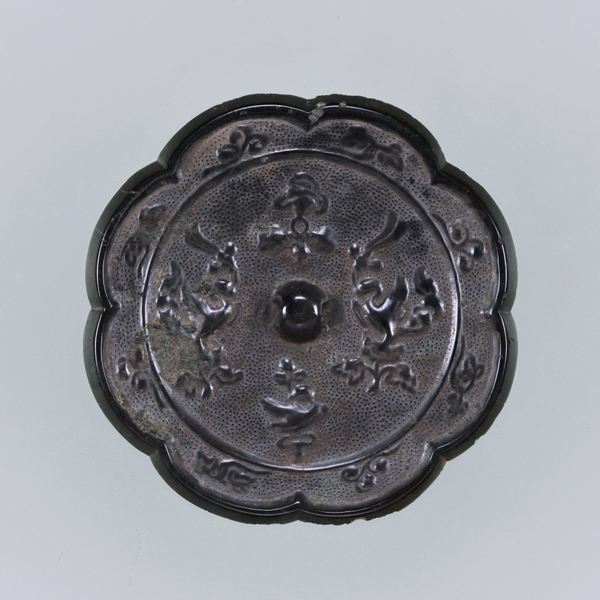
The Jomon culture began around 12,000 years ago. Earthenware vessels of this age with various motifs and styles are the starting point of "Highlights of Japanese Art." In the Yayoi period (450 B.C.- A.D. 250), pottery with a simplistic yet refined beauty and dotaku bell-shaped bronzes were prominent. Typical objects from the Kofun period (A.D. 250-600), such as haji, sue wares and haniwa figurines, as well as mirrors, arms and armor, saddlery, and accessory, which expresses the essence of metal and glass craftsmanship, are also featured.
Current exhibit includes:
Dotaku (Bell-shaped bronze), Stream design, From Kehi, Toyo'oka-shi, Hyogo, Yayoi period, 2nd - 1st BC (Important Cultural Property)
Jar with Spout at Base and Human-Figure Ornament, From Tokoshinai, Hirosaki-shi, Aomori, Jomon period, 2000-1000BC (Important Cultural Property)
House with Hipped and Gabled Roof , Haniwa (Terracotta Tomb Ornament), From Tobi, Sakurai-shi, Nara, Kofun period, 5th century (Important Cultural Property)
Footed Jar with Narrow Neck, Sue Stoneware, From Kaniana Tomb, Toshi-cho, Toba-shi, Mie, Kofun (Asuka) period, 7th century (Important Cultural Property, Gift of Mr. Kawahara Matsuzo)
|
 |
The Rise of Buddhism: Asuka and Nara Periods (6c-8c)
Room 1 August 24, 2010 - October 3, 2010
In the mid-6th century, Buddhism was officially introduced into Japan from the kingdom of Baekje on the southeastern coast of the Korean
peninsula. Japanese culture made a remarkable progress with the adoption of Buddhism. This gallery features early Buddhist statues, sutras,
reliquaries, and ritual implements from the Asuka and Nara periods.
Current exhibit includes:
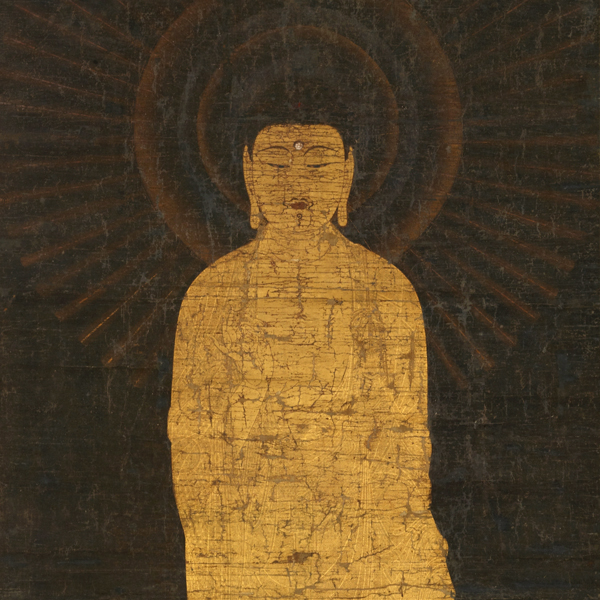
Standing Bosatsu (Bodhisattva), Asuka period, 7th century
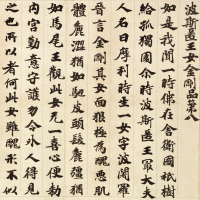
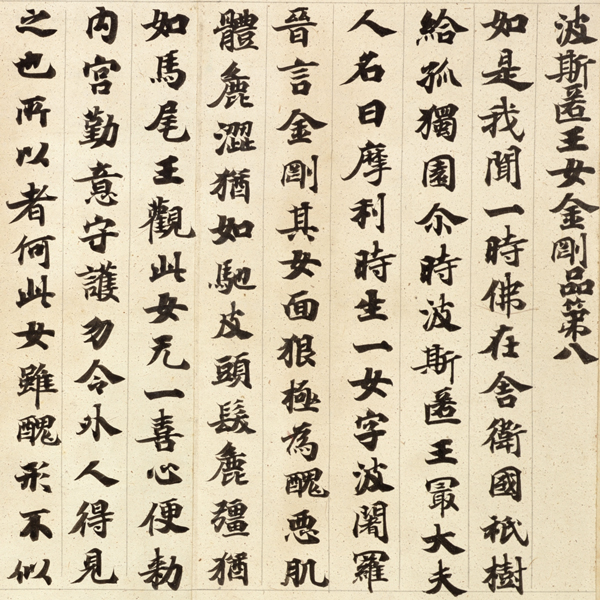
Bussetsu Ho'u-kyo Sutra, Votive sutra of Empress Komyo, Nara period, dated the 1st day of the 5th month, 740
Bowl, Gilt bronze, Excavated from under the building site of Main Hall, Kofukuji, Nara, Nara period, 8th century (National Treasure)
Bowl, Nara period, 8th century (Important Cultural Property)
Eight Nested Bowls, Nara period, 8th century (Important Cultural Property)
|
 |
National Treasure Gallery Picture Scroll of the Realm of Hungry Ghosts
Room 2 August 24, 2010 - October 3, 2010
This room is specially designed for the comfortable viewing of masterpieces in a tranquil setting. With each rotation, one
exceptional work of painting or calligraphy designated as National Treasure will be presented. The selections come from the
Museum's collection or works that are on loan to the Museum.
On Exhibit:
Picture Scroll of the Realm of Hungry Ghosts, Heian - Kamakura period, 12th - 13th century (National Treasure)
|
 |
Buddhist Art: Heian to Muromachi Periods (8c-16c)
Room 3 August 24, 2010 - October 3, 2010
Buddhist art is one of the major genres that define Japanese art. Many masterworks date from the late Heian period, a time characterized as classical in Japanese art history. After the Kamakura period, Buddhist art further developed in its materials, methods, and styles as Zen schools and other new Buddhist schools emerged, together with the influence from the Chinese arts. This exhibit features artworks from the Heian to Kamakura periods, when Buddhist art most flourished, adding siginificant objects from the Nanbokucho and Muromachi periods.
Current exhibit includes:
Guardian Dog, Heian period, 12th century (Important Cultural Property, Lent by Kibitsu jinja, Hiroshima)
Kokuzo Bosatsu (Akasagarbha), Kamakura period, 13th century (Important Cultural Property, Gift of Mr. Muto Sanji)
Plaque with Hair-line Engraving of Zao Gongen, A deity of mountain asceticism, Heian period, dated 1001 (National Treasure)
Hoke Kyo (Lotus sutra), vol. 4, Known as Sensoji-kyo, Heian period, 11th century (National Treasure, Lent by Senso-ji, Tokyo)
Incense Burner, With bottle weight at the end of handle, Heian period, 12th century (Important Cultural Property, Lent by Kongoji,
Osaka)
|
 |
Courtly Art: Heian to Muromachi Periods (8c-16c)
Room 3 August 24, 2010 - October 3, 2010
The courtiers were strongly involved in the arts through the Heian and Muromachi periods, their aesthetic tastes
playing a great role in Japanese art history. Literature works such as waka poems and other calligraphy
written by courtiers, and e-maki narrative picture scrolls are displayed in this room with decorative art
objects.
Current exhibit includes:
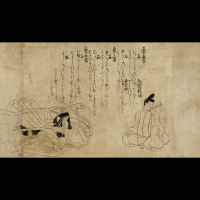
Tale of Matsura no Miya, Kamakura period, 13th century (Important Cultural Property)
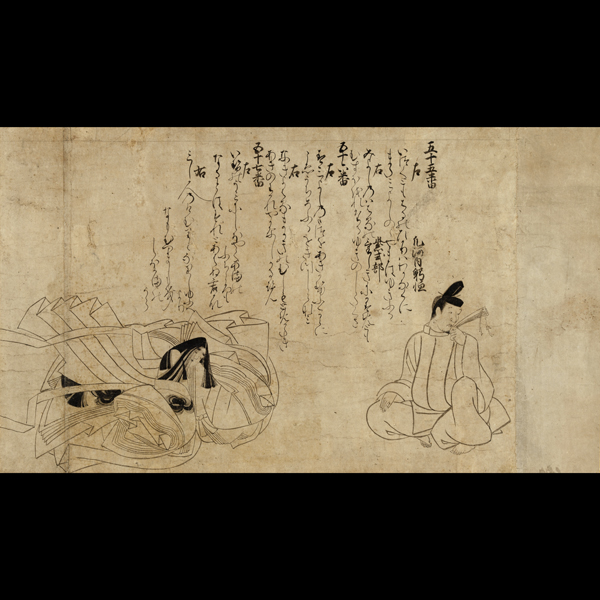
Tale of Genji, Kamakura - Muromachi period, 13th - 16th century (Important Cultural Property)
|
 |
Zen and Ink Paintings: Kamakura and Muromachi Periods (12c-16c)
Room 3 August 24, 2010 - October 3, 2010
This gallery features works by famous artists of the landscape-painting genre, along with famous works of bokuseki (calligraphy by Zen priests).
Current exhibit includes:
Calligraphy in One Line, By Sesson Yubai, Nanbokucho period, 14th century (Gift of Mr. Koizumi Yutaro)
Night Rain over Plantain, Inscriptions by Taihaku Shingen and 13 other persons, Muromachi period, dated 1410 (Important Cultural
Property)
|
 |
Art of the Tea Ceremony
Room 4 August 10, 2010 - October 31, 2010
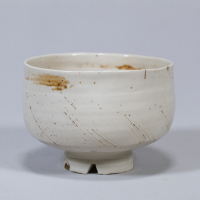
This gallery highlights the way of tea through its various art works such as paintings and calligraphy, vases, vessels for kaiseki meals, kettles, tea caddies, and tea bowls.
Current exhibit includes:
Tea Caddy, Known as "Mochizuki", Bunrin type; Black glaze, Satsuma ware, Edo period, 18th century (Gift of Mr. Matsunaga Yasuzaemon)
Tea Scoop, Known as "Inaushu-sama", Bamboo, By Katagiri Sekishu, Edo period, 17th century (Gift of Mr. Matsunaga Yasuzaemon)
Letter in Chinese Concerning the Death of Wuxue Zuyuan, By Daikyu Shonen, Kamakura period, 13th century (Important Cultural Property, Gift of Mr. Matsunaga
Yasuzaemon)
Segments from the Poetry-Anthology Kokin Wakashu, Known as Sunshoan Shikishi: Poem about Autumn Moon, Attributed to Ki no Tsurayuki, Heian period, 11th
century (Important Cultural Property, Gift of Mr. Asano Nagatake)
|
 |
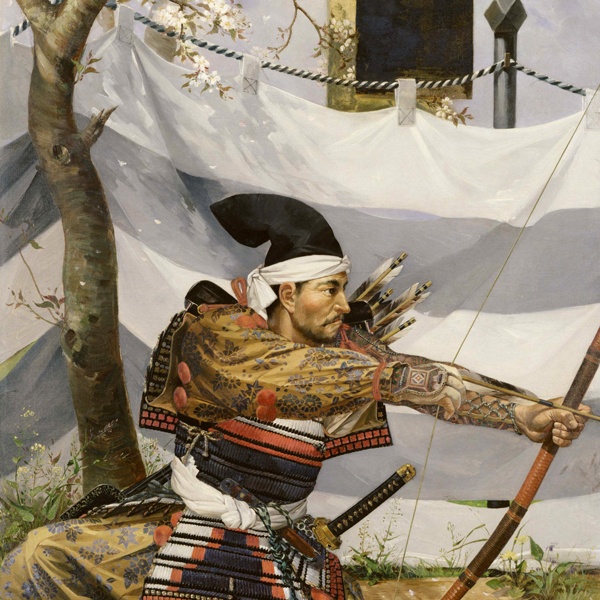
Attire of the Military Elite: Heian to Edo Periods (12c-19c)
Room 5 & 6 August 31, 2010 - November 28, 2010
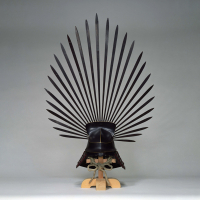
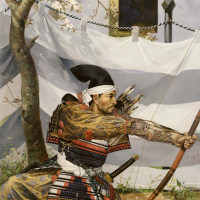
Beginning with the sword which is the most important possession of a samurai, this gallery focuses on arms and armor, saddlery, attire of the warriors as well as their portraits and hand-writings.
Current exhibit includes:
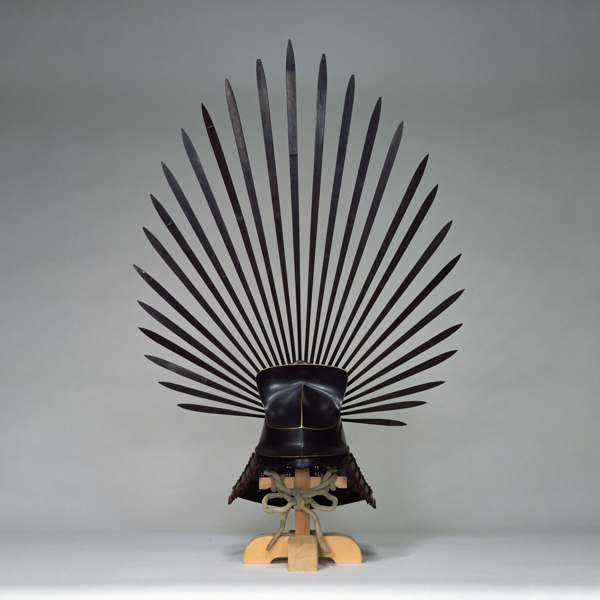
Sword Mounting, For daisho (pair of long and short swords), Red-lacquered scabbard with gold spiral banding, Azuchi-Momoyama period, 16th century (Important Cultural Property)
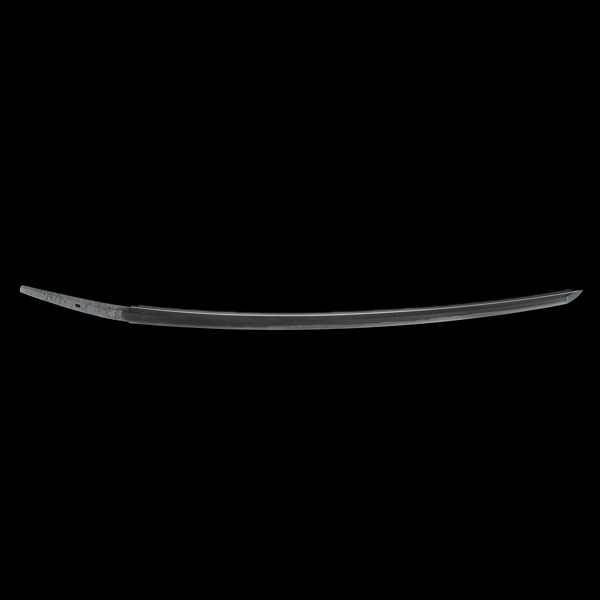
Tachi Sword, By Ayanokoji Sadatoshi, Signed "Sada", Kamakura period, 13th century (Important Cultural Property, Lent by Itatehyozu-jinja, Hyogo)
Sword Mounting (For tachi sword signed "Sada"), Uchigatana style, With lacquered Scabbard, Azuchi-Momoyama period, 16th century (Lent by Itatehyozu-jinja, Hyogo)
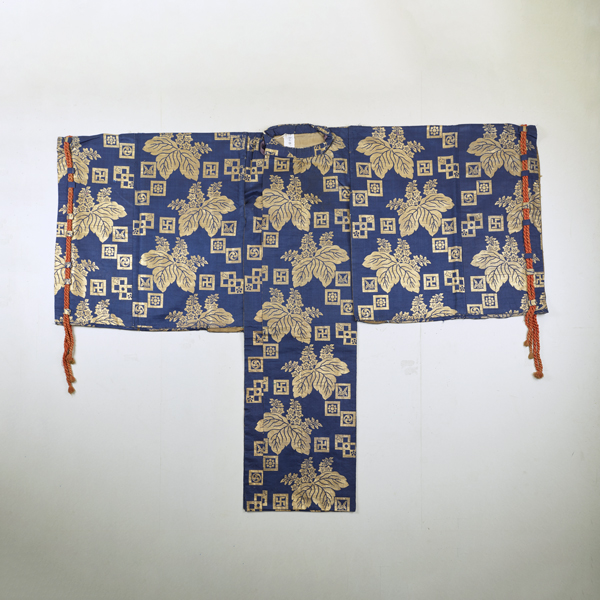
Dobuku (Outer garment), Light blue nerinuki plain weave silk with vine design (Crest: three-leaf hollyhock), Azuchi-Momoyama period, 16th - 17th century
|
 |
Folding Screen and Sliding Door Paintings: Azuchi-Momoyama and Edo Periods (16c-19c)
Room 7 August 10, 2010 - September 20, 2010
This gallery is dedicated to the genre of shohei-ga, which includes mural paintings, fusuma paintings and byobu paintings. The room is especially designed for an effective display of grand-scale paintings.
Current exhibit includes:
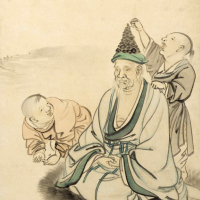
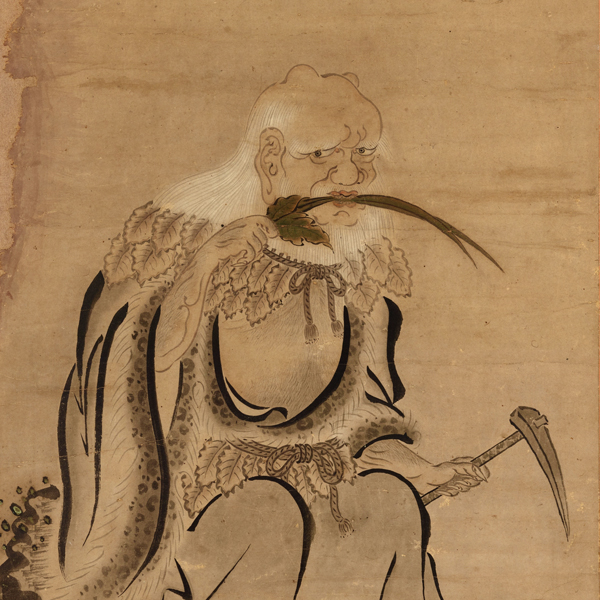
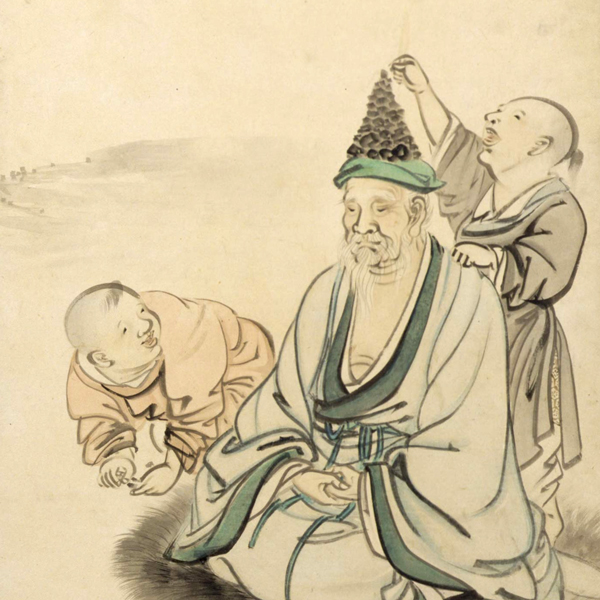
Zhou Maoshu and Lin Hejing, By Kano Tan'yu, Edo period, 17th century
|
 |
Interior Furnishings and Daily Utensils: Azuchi-Momoyama and Edo Periods (16c-19c)
Room 8 August 3, 2010 - October 24, 2010
The maturing of Japanese culture supported by the military and commoner classes continued throughout the Azuchi-Momoyama and Edo periods. This gallery introduces the craft of interior furnishings and daily utensils that adorned the life of the people during these periods.
Current exhibit includes:
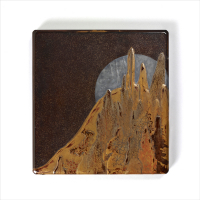
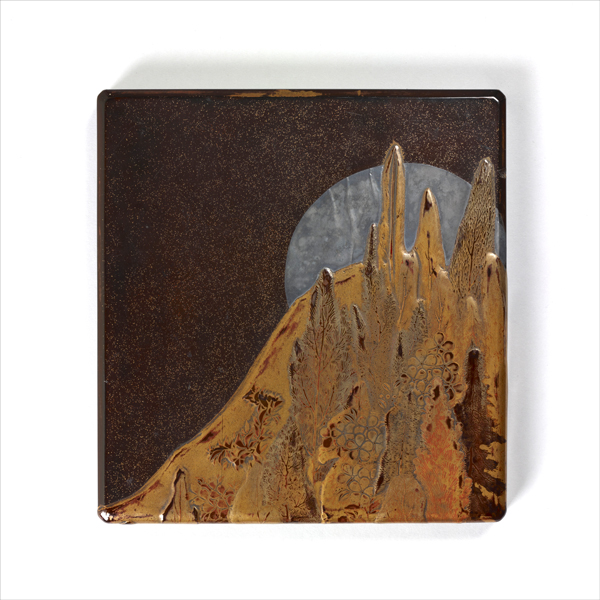
Box for Paper, Maple leaf design in maki-e lacquer, By Hara Yoyusai, Edo period, 19th century
Katabira (Summer garment), Paulownia and phoenix on white ramie, Edo period, 19th century (on exhibit through August 29, 2010)
Hanging Incense Burner, Flower basket design, Edo period, 18th century
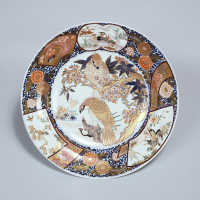
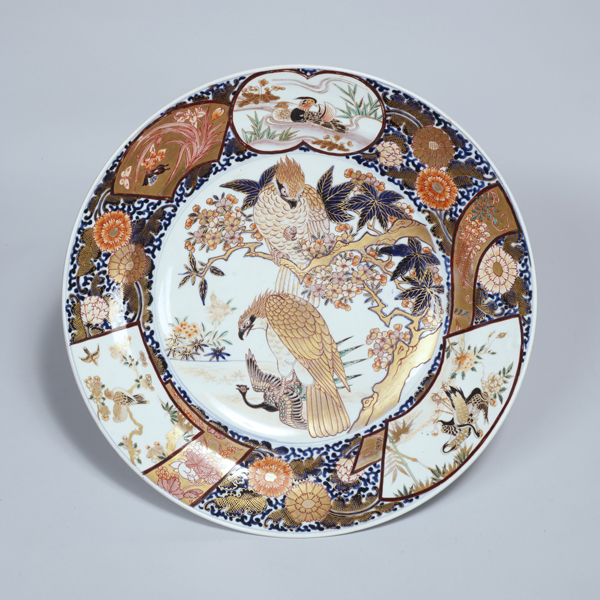
Covered Vessel, Chrysanthemums and stream design in engraving and overglaze enamels, Kakiemon type, Imari Ware, Edo period, 17th century
Square Dish, Autumn grasses design, Nezumi-Shino type, Mino Ware, Azuchi-Momoyama - Edo period, 16th-17th century
|
 |
Developments in Painting and Calligraphy: Azuchi-Momoyama and Edo Periods (16c-19c)
Room 8 August 10, 2010 - September 20, 2010
This gallery introduces the dynamic and multi-faceted world of paintings and calligraphy from the Azuchi-Momoyama to the Edo period.
Current exhibit includes:
A Poet's Mountain Retreat, By Uragami Gyokudo, Edo period, dated 1792 (Important Cultural Property)
Seeking Plum Blossoms at Tsukigase, By Kanai Uju, Edo period, dated 1833 (Gift of Mr. Nakajima Ihei VI)
Japanese Syllabary in Calligraphy, By Nukina Suo, Edo period, 19th century (Private collection)
|
 |
Noh and Kabuki Nuihaku Robes: A Japanese Aesthetic of Silk and Gold 
Room 9 August 31, 2010 - October 24, 2010
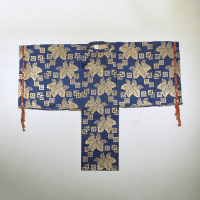
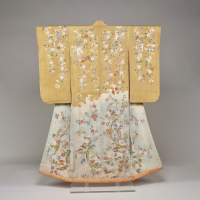
>> detailed information Nuihaku robes are Noh costumes with designs in embroidery and gold and silver leaf. Mainly used in plays with young female protagonists (known as katsura-noh plays), they are worn around the waist beneath choken- or maiginu-type outer robes. This exhibition showcases the uniquely Japanese aesthetic played out in lustrous silk and brilliant gold leaf on nuihaku robes.
Exhibit includes:
Nuihaku Garment (Noh Costume), Chrysanthemum, reed and waterfowl design on red and white tiered ground, Formerly owned by the Konparu Troupe, Azuchi-Momoyama period, 16th century (Important Cultural Property)
Nuihaku Garment (Noh Costume), Lily and courtly carriage design on brown ground, Formerly owned by the Konparu Troupe, Azuchi-Momoyama period, 16th century (Important Cultural Property)
|
 |
Ukiyo-e and Costumes: Edo Period (17c-19c) Ukiyo-e
Room 10 August 24, 2010 - September 20, 2010
This gallery shows individualistic and manifold works of the ukiyo-e artists, ranging from depictions of
pleasure quarters, kabuki plays, traditional bird and flower motifs and narrative pictures, to landscapes.
Exhibit includes:
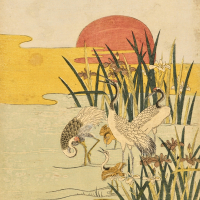
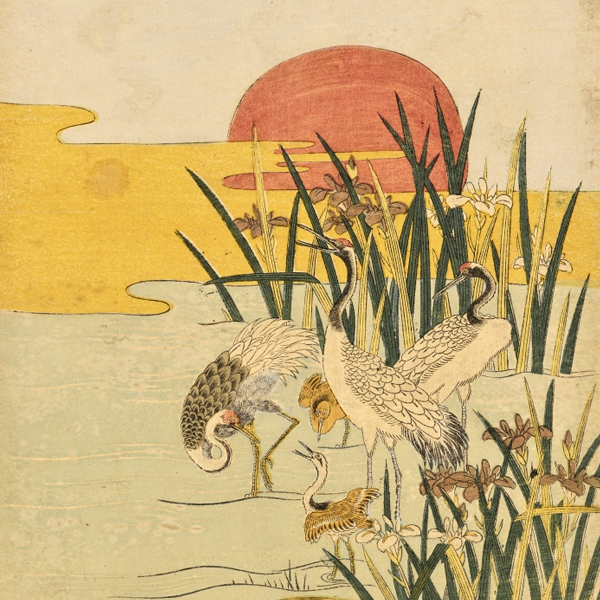
Squirrels among Grapes, By Isoda Koryusai, Edo period, 18th century
Chinese bellflower and dragon-fly, By Katsushika Hokusai, Edo period, 19th century
|
 |
Ukiyo-e and Costumes: Edo Period (17c-19c) Edo Period Fashion and Design
Room 10 August 31, 2010 - October 24, 2010
Introduces the fashion of the Edo period townspeople. Enjoy comparing with the ukiyo-e works exhibited in the same room.
Current exhibit includes:
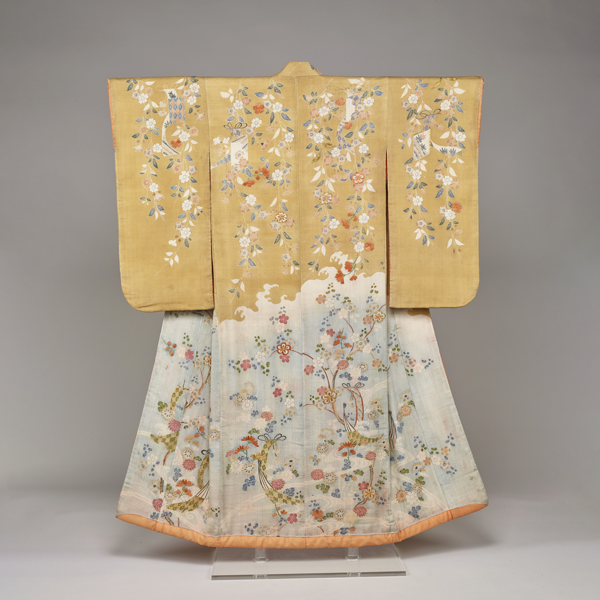
Kosode (Garment with small wrist openings), Autumn grass design on white ground, Hand-painted by Ogata Korin, Edo period, 18th century (Important Cultural Property)
Kosode (Garment with small wrist openings), Stripe with chrysanthemum crest design on purple tussah silk crepe, Edo period, 19th century
Inro (Medicine Case), Dog design in maki-e lacquer, Meiji period, 19th century (Gift of Mr. Quincy A. Shaw.)
|
2nd floor
|
 |
 |
Masterpieces of Chinese Painting and Calligraphy
Room T1 August 24, 2010 - September 20, 2010
This exhibition introduces a selection of landscapes from the Yuan to Qing dynasties, including works by Ming-dynasty academic painter Wang E and Ju Jie, one of Wen Zhengming's most outstanding pupils. The calligraphy section of the exhibition showcases inscribed fan papers and duilian, Chinese couplets in diptych style, which were favored among calligraphers from the Ming to the Qing dynasties.
Current exhibit includes:
Waves Against the Reef, Artist unknown, Yuan dynasty, 14th century
Landscape, By Wang E, Ming dynasty, 15th - 16th century
Landscape with Pavilions, By Chou Ying, Ming dynasty, 16th century
Mountain Studio in Early Summer, By Ju Jie, Ming dynasty, dated 1578
Poem in Running-Cursive Script, By Zhang Ruitu, Ming dynasty, 16th - 17th century (Gift of Dr. Hayashi Munetake)
Poem in Clerical Script, By Chen Hongshou, Qing dynasty, dated 1804 (Gift of Mr. Aoyama San'u)
Poem in Clerical Script, By Hu Zhen, Qing dynasty, dated 1859 (Gift of Mr. Aoyama San'u)
|
 |
Family Gallery Music Festival at the Museum 
Room T2 August 3, 2010 - September 5, 2010
>> detailed information
This Family Gallery exhibition showcases a selection of artworks depicting music and musical instruments in use in Japan since ancient times.
Exhibit includes:
Harp (Reproduction), Meiji period, 19th century, Original: Nara period, 8th century
Bell (For use in a Buddhist temple), Kamakura period, dated 1306
Illustrated Scroll with Images of Gagaku Musicians and Instruments, Edo period, 18th century
Female Haniwa with Bells, Kofun period, 6th century (Important Cultural Property)
|
1st floor
|
 |
 |
Thematic Exhibition The Path of Buddha 
Room T5 March 24, 2010 - April 3, 2011
>> detailed information
This display traces the development of Buddhist statues from Gandhara (Ancient India), China, the Korean Peninsula, and Japan to provide insights about how Buddhist beliefs and statues developed in each region.
Exhibit includes:
Buddha, Gandhara, Pakistan, Kushan dynasty, 2nd - 3rd century
Buddha Triad, China, Eastern Wei dynasty, 6th century (Important Cultural Property)
Buddha, Asuka period, 7th century (Important Cultural Property)
|
1st floor
|
 |
 |
Japanese Sculpture
Room 11 July 6, 2010 - September 12, 2010
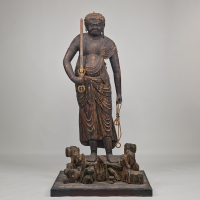
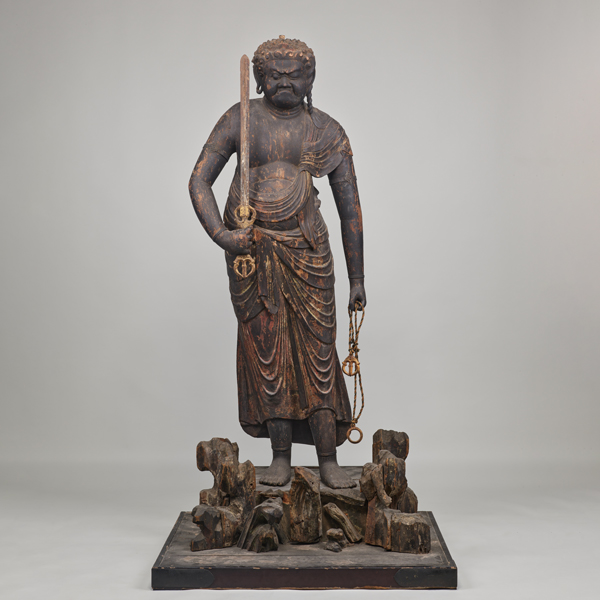
This gallery introduces the history of sculptural art in Japan through prototypical wood-sculptures featuring examples dating from the Heian and Kamakura periods, the zenith of Japanese sculpture.
Current exhibit includes:
Standing Bosatsu (Bothisattva), Kamakura period, 13th century (Important Cultural Property)
Standing Monju Bosatsu (Manjusri), Kamakura period, 13th century
Standing Attendants of Shitenno (Four Heavenly Kings), By Koen, Kamakura period, dated 1267 (Important Cultural Property)
Amida Nyorai (Amitabha) and Two Attendants, Heian period, dated 1176 (Important Cultural Property, Lent by Saiko-in, Saitama)
Seated Monju Bosatsu (Manjusri) and Attendants, By Koen, Formerly owned by Kofuku-ji, Nara, Kamakura period, dated 1273 (Important Cultural Property)
|
 |
Sculpture and Metal Art Two Dainichi Nyorai Statues and Sculpture of the Kei School 
Room 12 July 6, 2010 - September 12, 2010
>> detailed information
The two Dainichi Nyorai (Skt., Mahavairocana) statues exhibited here show many similarities in style and structure, as well as in the types of dedicatory objects enshrined within the statues and the manner of their installation. Both statues are thought to be the works of the Kamakura-period Buddhist sculptor, Unkei.
Exhibit Includes:
Seated Dainichi Nyorai (Mahavairocana), Heian - Kamakura period, 12th century (Important Cultural Property, Lent by Shinnyoen, Tokyo)
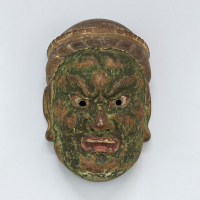
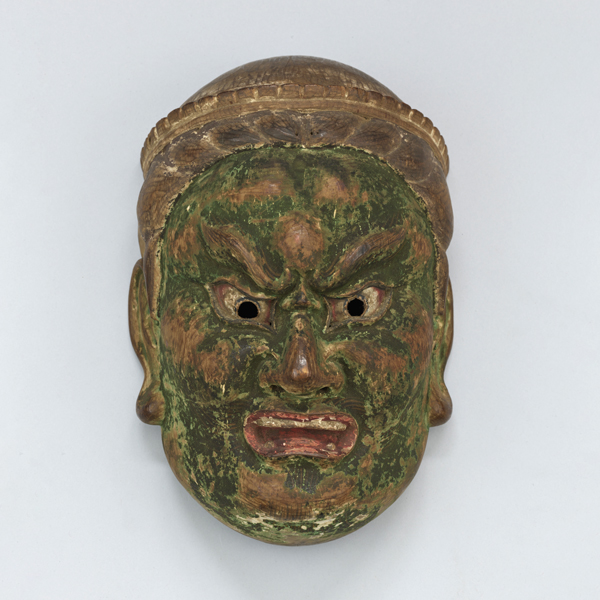
Gyodo Mask "Bosatsu", By Kaikei, Kamakura period, dated 1201 (Important Cultural Property, Lent by Jyodoji, Hyogo)
Seated Dainichi Nyorai (Mahavairocana), Heian - Kamakura period, 12th century (Important Cultural Property, Lent by Kotokuji, Tochigi)
|
 |
Ceramics
Room 13 June 15, 2010 - September 12, 2010
Focuses on kyo-yaki, Imari ware and other ceramics from the Edo period, together with ceramic ware related to the tea ceremony. Featuring motifs of the season, the works on view are organized by their origins to highlight their styles.
Current exhibit includes:
Tea Leaf Jar, Moon and plum tree in overglaze enamel, Studio of Ninsei, Edo period, 17th century (Important Cultural Property)
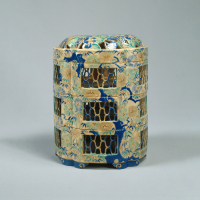
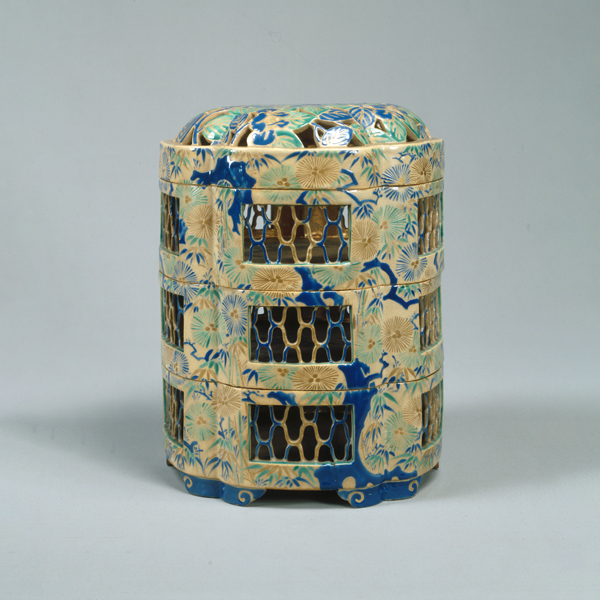
Tiered Food Box with Handle, Dragon and waves design in underglaze blue, By Aoki Mokubei, Edo period, 19th century (Important Cultural Property, Gift of Mr. Kasagi Toru)
Square Dish, Chinese poet watching sea gulls in underglaze iron brown, By Ogata Korin and Shinsei, Edo period, 18th century (Important Cultural Property)
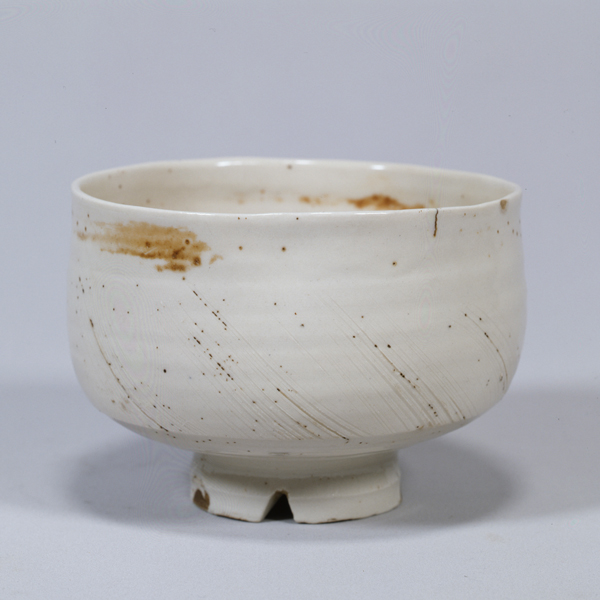
Bowl, Nezumi-Shino type, Wagtail design, Mino ware, Azuchi-Momoyama - Edo period, 16th - 17th century (Important Cultural Property)
|
 |
Lacquerware
Room 13 June 15, 2010 - September 12, 2010
Features maki-e works from Heian to Edo period. The exhibit shows the history and beauty of maki-e, a unique lacquerwork method that developed in Japan.
Current exhibition includes:
Writing Box, Scene portrayting a poem Known as "Otokoyama" in maki-e laquer, Muromachi period, 15th century (Important Cultural Property)
Tebako (Cosmetic Box), Wheels-in-stream design in maki-e lacquer and mother-of-pearl inlay, Heian period, 12th century (National Treasure)
Writing Box, Ivy with brushwood fence design in maki-e lacquer, By Koma Kyui, Edo period, 17th century (Important Cultural Property)
|
 |
Swords and Sword-fittings
Room 13 June 29, 2010 - September 26, 2010
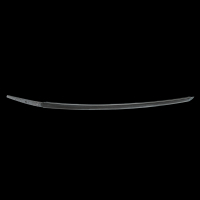
Exhibits selected swords and sword-fittings from the Heian to Edo periods, including the Katana Sword, By Masamune.
Current exhibit includes:
Tanto Sword, Known as "Atsushi-Tosiro", By Yoshimitsu, Kamakura period, 13th century (National Treasure)
Katana Sword, By Masamune, Kamakura period, 14th century (National Treasure)
Sword Guard, Tomoe comma design in openwork, By Nobuie, Azuchi-Momoyama period, 16th century (Important Cultural Property)
|
 |
Decorative Arts The Sounds of Buddhism: Bells, Gongs and Other Buddhist Instruments 
Room 14 August 10, 2010 - October 3, 2010
>> detailed information In Buddhism, some ritual implements are used specifically to produce sound. These are known in Japanese as "bon'ongu" - literally, "Buddhist instruments."?We hope viewers will take the opportunity to appreciate the unusual shapes and designs, and the functional beauty of Buddhist ritual instruments.
Exhibit includes:
Kei Gong, Butterfly shape, Excavated from Miyabuchi, Matsumoto-shi, Nagano, Heian period, dated 1001 (Important Cultural Property, Gift of Mr. Takahashi Tamotsu, on exhibit from August 11, 2010)
Kei Gong, Lotus pond design, Excavated at Kinpusen, Yoshino-cho, Nara, Heian period, 12th century (Important Cultural Property)
Kei Gong, Lotus arabesque design, Heian period, 12th century (National Treasure, Lent by Zenrinji, Kyoto)
Waniguchi Gong, Excavated from Miyabuchi, Matsumoto-shi, Nagano, Heian period, dated 1001 (Important Cultural Property, Gift of Mr. Takahashi Tamotsu, on exhibit from August 11, 2010)
Bell, With year inscription, Korea, Goryeo dynasty, dated 1107 (Important Cultural Property, Lent by Nishiarai-daishi Soujiji, Tokyo)
|
 |
Material Culture Ryukyu Decorative Arts of Ryukyu 
Room 15 July 6, 2010 - October 3, 2010
>> detailed information
The Tokyo National Museum's collection of Ryukyu cultural items contains a number of items that reflect the vibrancy and character of Ryukyu decorative arts. Items displayed include lacquerware, metalwork, ceramics, pottery, and items of the noro(female ritual officers).
Exhibit includes:
Cinerary Urn, Okinawa Main Island, 18th - 19th century (Gift of Mr. Tsutsumi Satoshi)
Dogin (Inner garment), Amami Oshima Island, 19th century (Gift of Ms. Yamato Ryoko, on exhibit from August 24, 2010)
Ritual Beads Necklace, Amami Oshima Island, 19th century (Gift of Ms. Yamato Ryoko)
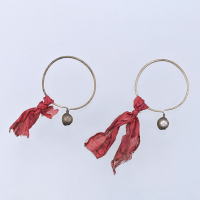
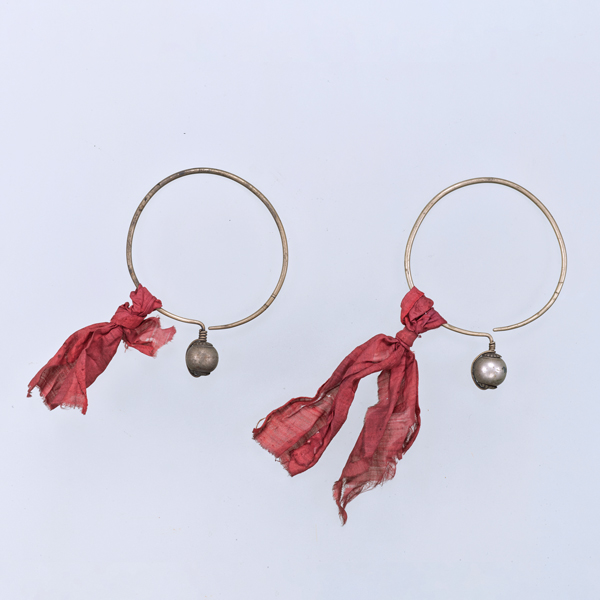
Hair Ornament for Common Class Women on Ceremony, Okinawa Main Island, 19th century
Hair Ornament for an Amushirare (Ritual Officer), Amami Oshima Island, 18th century (Gift of Ms. Yamato Ryoko)
|
 |
Historic Material Historical Collection: Speaking to the Future Series - Information and Media in the Edo Period 
Room 16 August 3, 2010 - September 5, 2010
>> detailed information
This exhibition showcasing examples of various media in Edo period and introduces the infrastructure of highway management, messengers and travellers' inns which supported the flow of information at the time.
Exhibit includes:
Map of Sea and Land Routes in Japan, Edo period, dated 1806 (Important Cultural Property)
Sumo-Style Ranking of Ancient Inscriptions on Metal and Stone, Compiled by Nishida Naokai , Edo period, dated 1837
|
 |
Preserving Our Cultural Properties
Room 17 March 24, 2010 - December 12, 2010
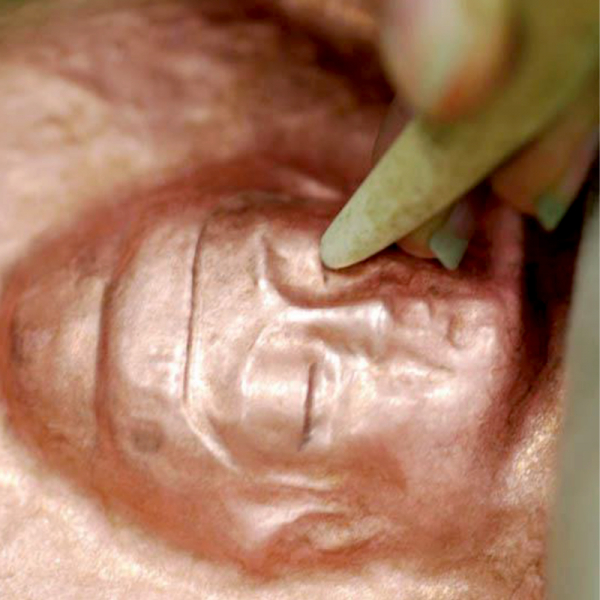
The preservation and conservation of cultural properties are essential aspects of our Museum's mission. From this point of view, this room features object research and examination, environmental maintenance of storage and exhibition rooms, and conservation procedures applied in accordance to materials and conditions of the objects.
|
 |
Modern Art
Room 18 August 3, 2010 - September 12, 2010
This gallery features paintings and sculptures from the Meiji to Taisho period. Since it first opened in 1872 as the exposition venue of the Ministry of Education, Tokyo National Museum has collected important artworks that signify the development of modern Japanese art. The exhibit consists of selected works from the collection.
Current exhibit includes:
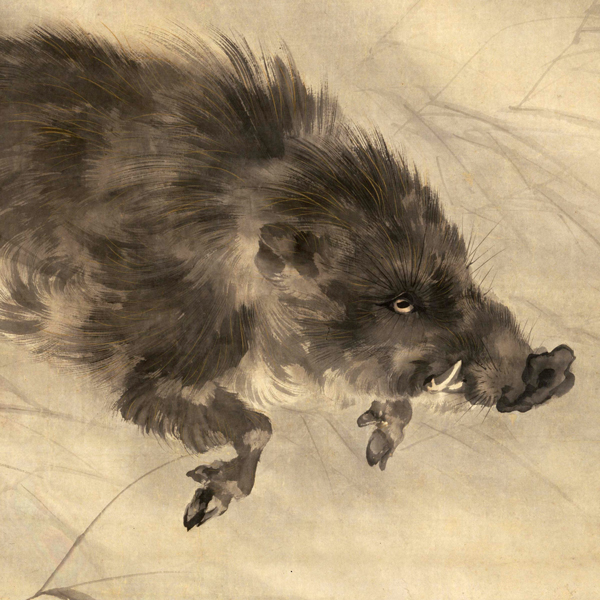
Aged Monkey, By Takamura Koun, 1893 (Important Cultural Property)
Sceneries in the tropical land: Volume of morning, By Imamura Shiko, 1914 (Important Cultural Property)
Tokiwa Bridge across Sukawa River, By Takahashi Yuichi, 1881 - 82
|
 |
Modern Decorative Arts
Room 19 June 8, 2010 - September 5, 2010
The museum played a great role in the development of modern Japanese decorative arts. This gallery features exhibits from the National Industrial Exhibitions of the Meiji period, now in the museum collection.
Current exhibit includes:
Vase, Butterfly and peony design in relief, By Seifu Yohei III, 1892
Tebako (Cosmetic box), Bush clover and butterfly design in maki-e lacquer, By Sawada Sotakusai, 1892
Portrait of Fujiwara no Kamatari, By Shimamura Shunmei, 1892
Plaque, Moon and wild geese design in inlay, By Kano Natsuo, 1897
Footed Bowl , With applied crabs and brown glaze, By Miyagawa Kozan I , 1881 (Important Cultural Property)
|
 |
The Four Stages of Ichiboku Sculpture Carving
Room 20 June 15, 2010 - October 3, 2010
>> detailed information
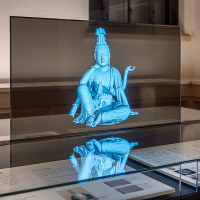
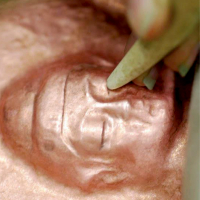
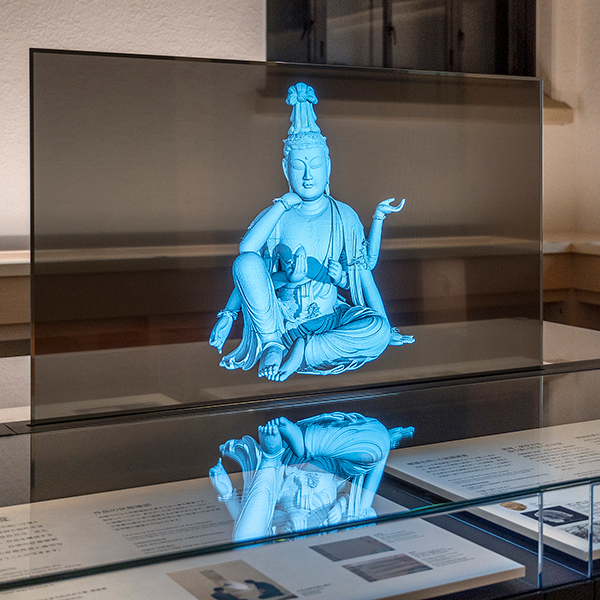
This display follows a four-step process to create a model of Sho Kannon, an Important Cultural Property from Daigoji Temple in Kyoto.
|
|